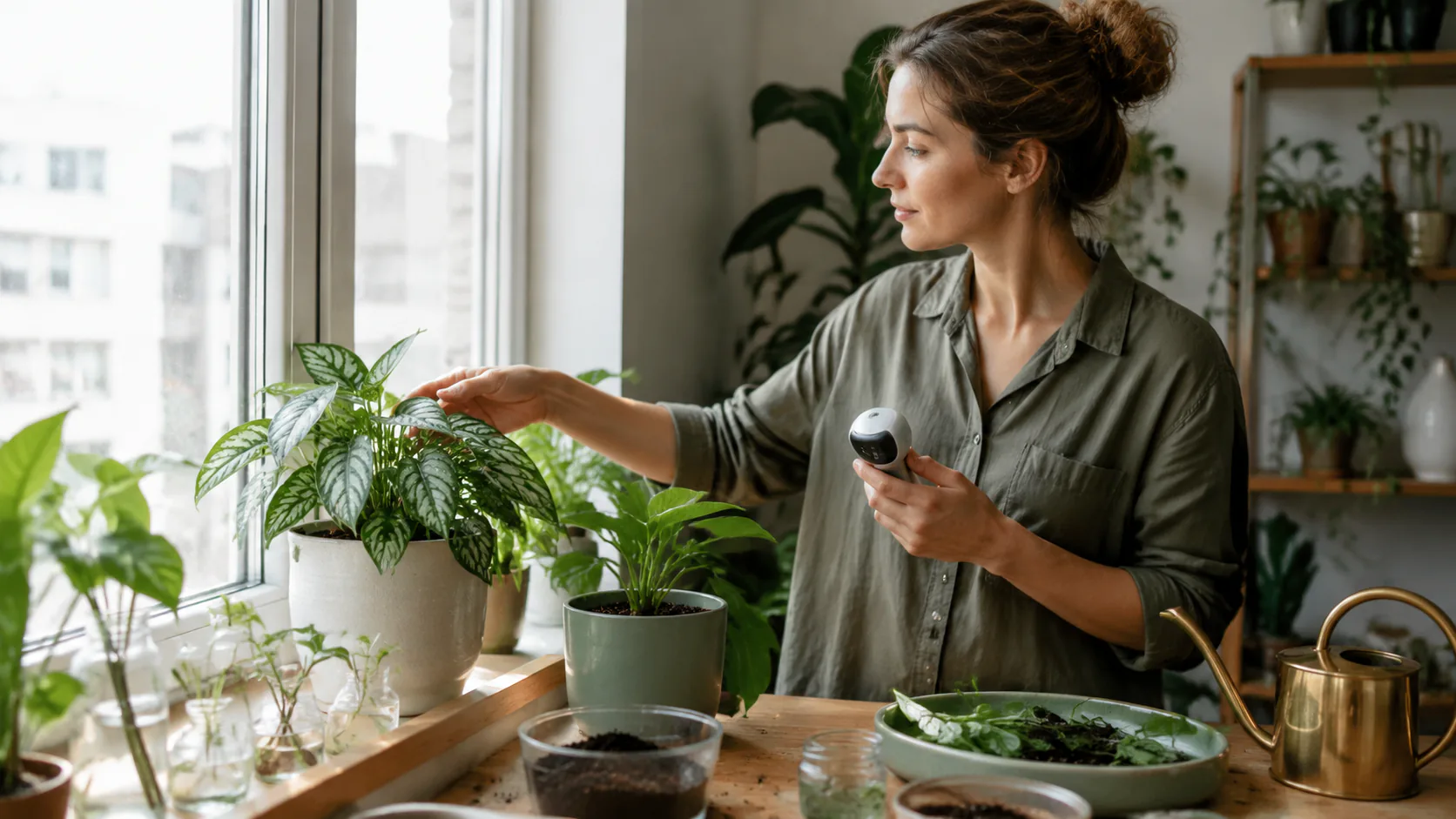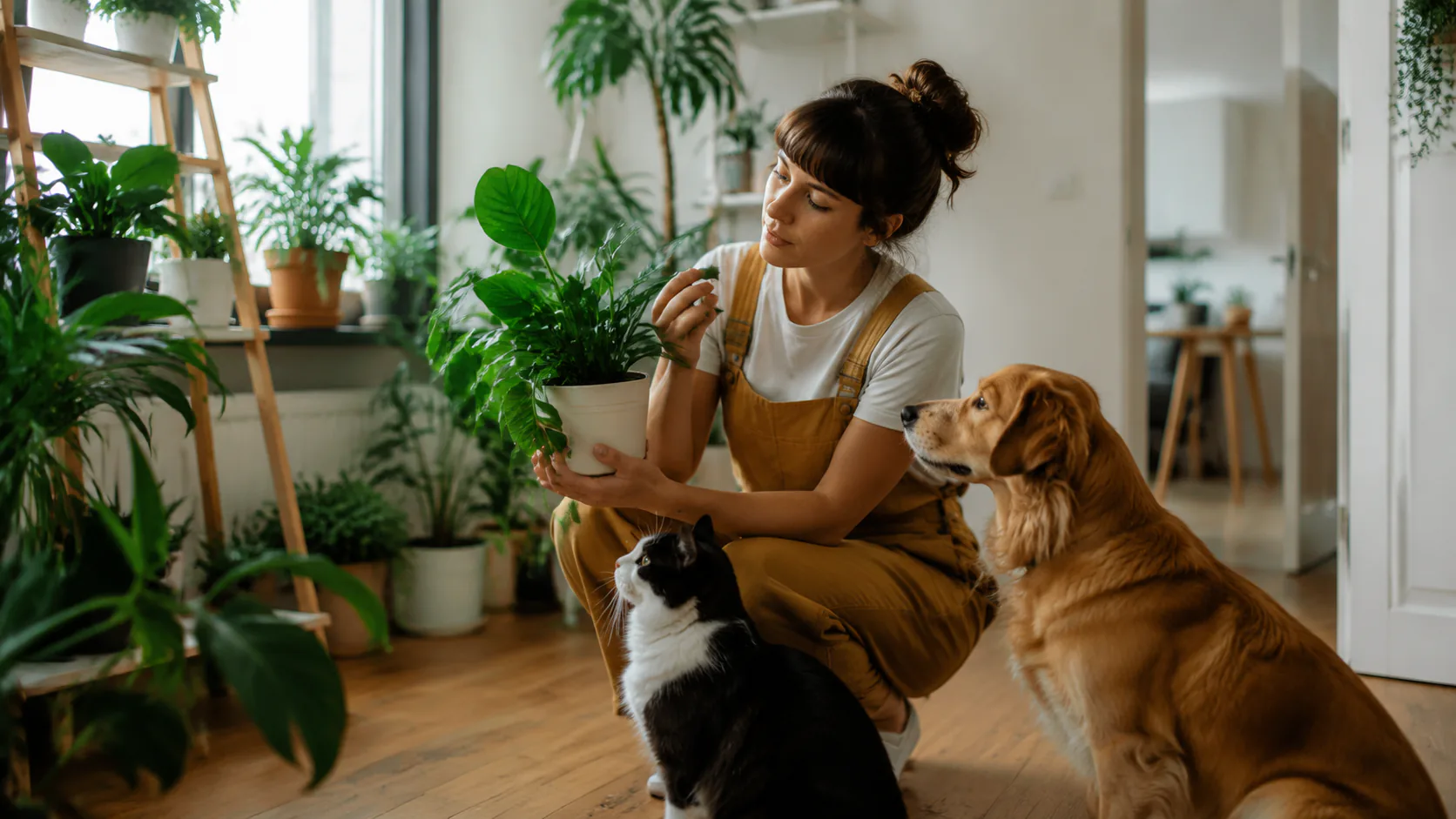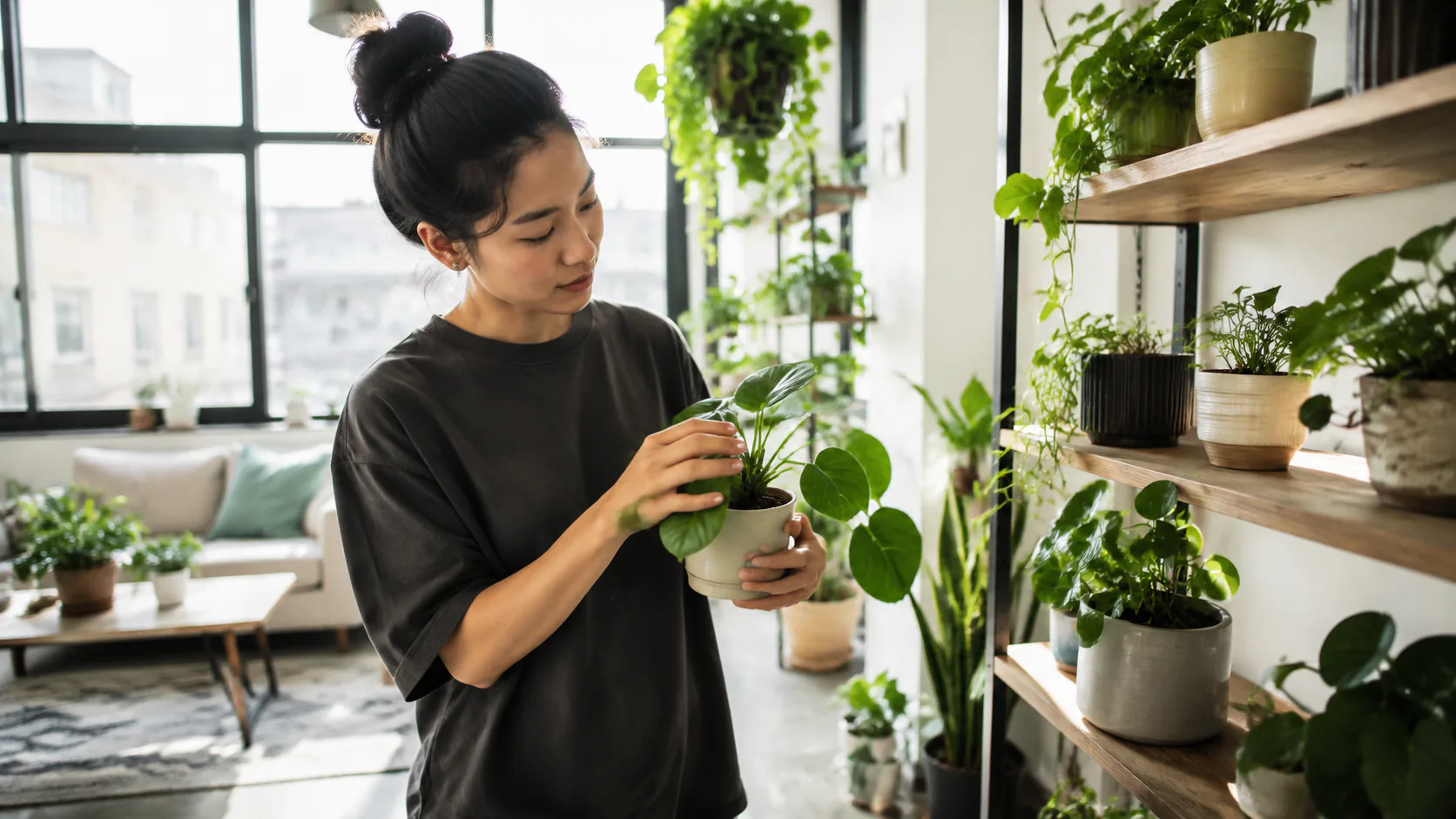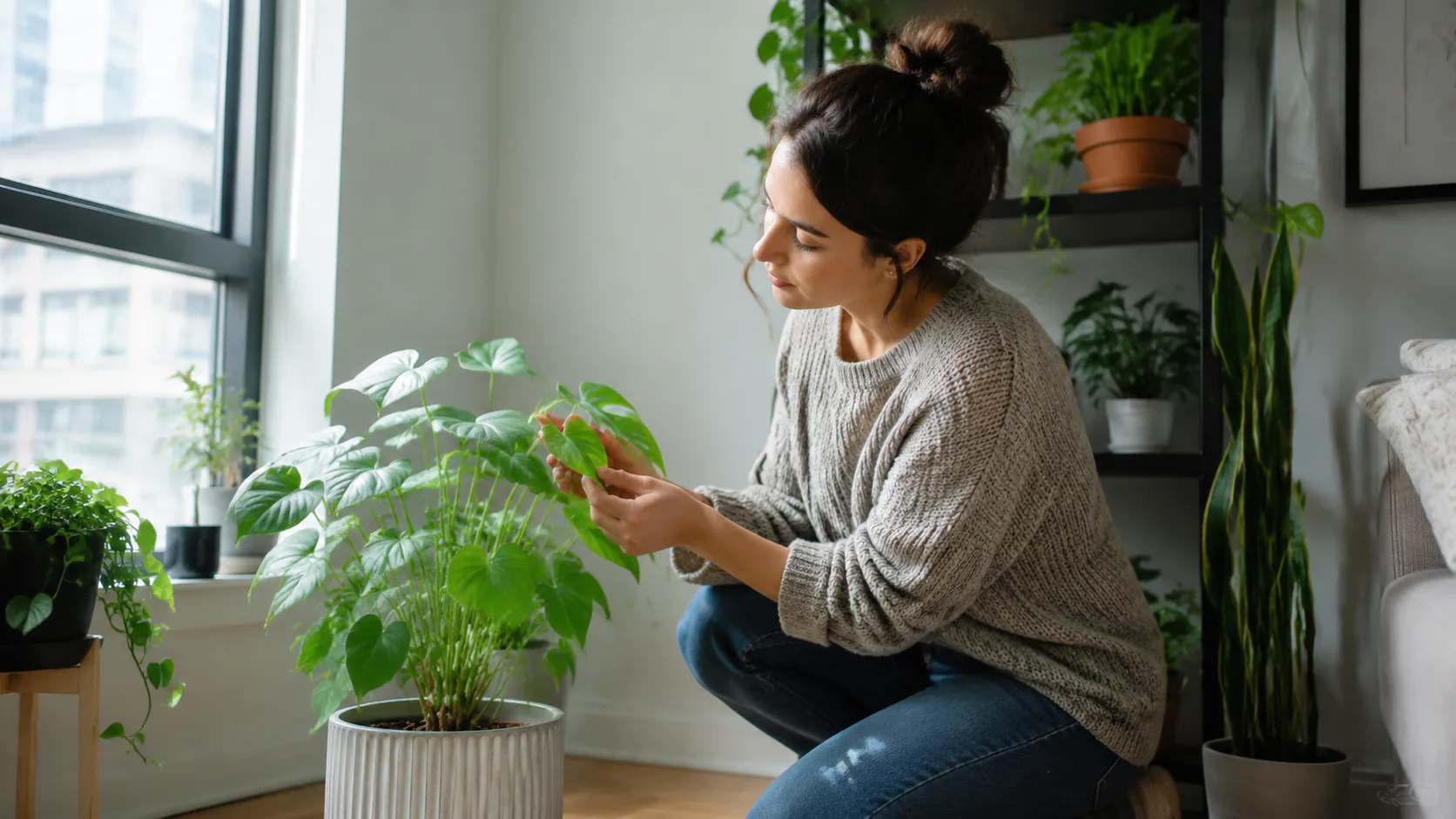
Low-Light Apartment Plants That Actually Survive is a practical guide for indoor growers who want plants to survive real homes, not perfect greenhouse conditions. The focus is plants that tolerate low-light apartments: what to look for, how to set up care, and how to avoid the mistakes that usually cause slow decline.
Be Honest About Low Light
Low light means slower growth, not magic. Plants still need usable light, so a room with no window is not a good long-term plant location unless a grow light is added. The goal is choosing plants that cope rather than forcing sun-loving plants to struggle.
Build the diagnosis around distance from the nearest window, blocked sky view, seasonal changes, growth speed, and how long the mix stays wet. Read those clues together: they show whether the current home supports the goal to choose plants that tolerate reduced light while accepting that low light still means some usable light, rather than merely describing one damaged leaf or a label on the pot.
Plants That Cope Better
ZZ plant, snake plant, pothos, heartleaf philodendron, cast iron plant, and some aglaonema types are better choices for lower-light homes. They may grow slowly, but they can remain attractive with patient care.
Photographs become useful evidence when they are paired with distance from the nearest window, blocked sky view, seasonal changes, growth speed, and how long the mix stays wet. Date the note and take a photograph from a consistent angle so that changes related to choose plants that tolerate reduced light while accepting that low light still means some usable light can be distinguished from normal day-to-day variation.
Water Less in Dim Rooms
The biggest mistake in dim rooms is watering as if the plant were in bright light. Soil dries more slowly, roots use less water, and rot risk increases. Check the pot before watering and choose airy soil with drainage.
Do not overlook this risk: no common houseplant thrives indefinitely in a windowless corner without an appropriate artificial light source. When that pattern appears, return to distance from the nearest window, blocked sky view, seasonal changes, growth speed, and how long the mix stays wet, identify the smallest relevant cause, and change that variable alone.
When to Add a Grow Light
A grow light can turn a difficult shelf into a useful plant zone. It does not need to be complicated: a full-spectrum bulb on a timer can help maintain growth. Expect less flowering and slower variegation in low light unless supplemental light is consistent.
The simplest useful sequence is to start near the brightest available low-light location, rotate for balanced growth, and move closer if stems stretch. Measure progress through the cues that belong to this article—distance from the nearest window, blocked sky view, seasonal changes, growth speed, and how long the mix stays wet—and allow enough time for those signs to change before revising the plan.
What Not to Expect
Can a low-light plant grow far from a window? It may survive for a time, but growth and resilience improve when it receives a clear source of usable light. Use that answer alongside the current evidence—distance from the nearest window, blocked sky view, seasonal changes, growth speed, and how long the mix stays wet—instead of treating it as a rule that overrides the plant's condition.
For Low-Light Apartment Plants That Actually Survive, the practical takeaway is to choose plants that tolerate reduced light while accepting that low light still means some usable light. Begin with a tolerant species, conservative watering, clean leaves, realistic growth expectations, and supplemental light for very dark corners, follow through when you start near the brightest available low-light location, rotate for balanced growth, and move closer if stems stretch, and let the next visible response determine whether another change is necessary.
Sources: - Better Homes & Gardens, Best Low-Light Indoor Plants - https://www.bhg.com/gardening/houseplants/projects/indoor-plants-for-low-light/ - Hicks Nurseries, Top Houseplant Trends for the New Year - https://hicksnurseries.com/houseplants/top-houseplant-trends-for-the-new-year/ - Garden Insider, Low Maintenance Houseplant Statistics 2026 - https://gardeninsider.org/plants/houseplants/low-maintenance-houseplant-statistics/