Light Guide for Houseplants is a practical guide for indoor growers who want plants to survive real homes, not perfect greenhouse conditions. The focus is understanding indoor light for houseplants: what to look for, how to set up care, and how to avoid the mistakes that usually cause slow decline.
Window Direction Matters
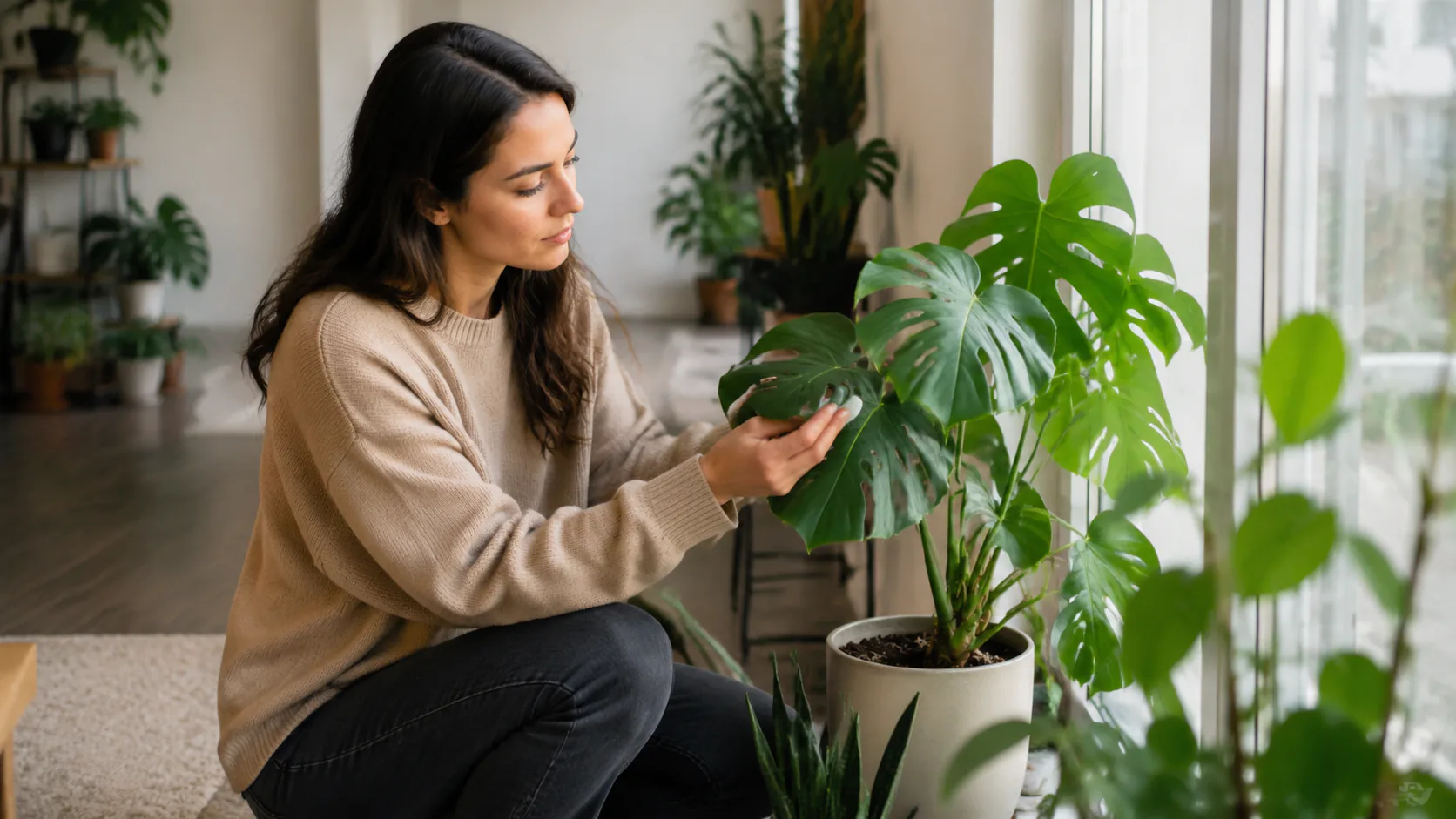
Indoor light is usually weaker than people think. A plant a few feet from a window receives much less light than one on the sill. Curtains, trees, balconies, neighboring buildings, and season all change what the plant actually receives.
The first inspection should cover window direction, distance from glass, obstructions, seasonal sun angle, shadow strength, and hours of exposure. Read those clues together: they show whether the current home supports the goal to evaluate usable light at the plant’s exact position instead of describing the entire room as bright, rather than merely describing one damaged leaf or a label on the pot.
Bright Indirect Light Explained
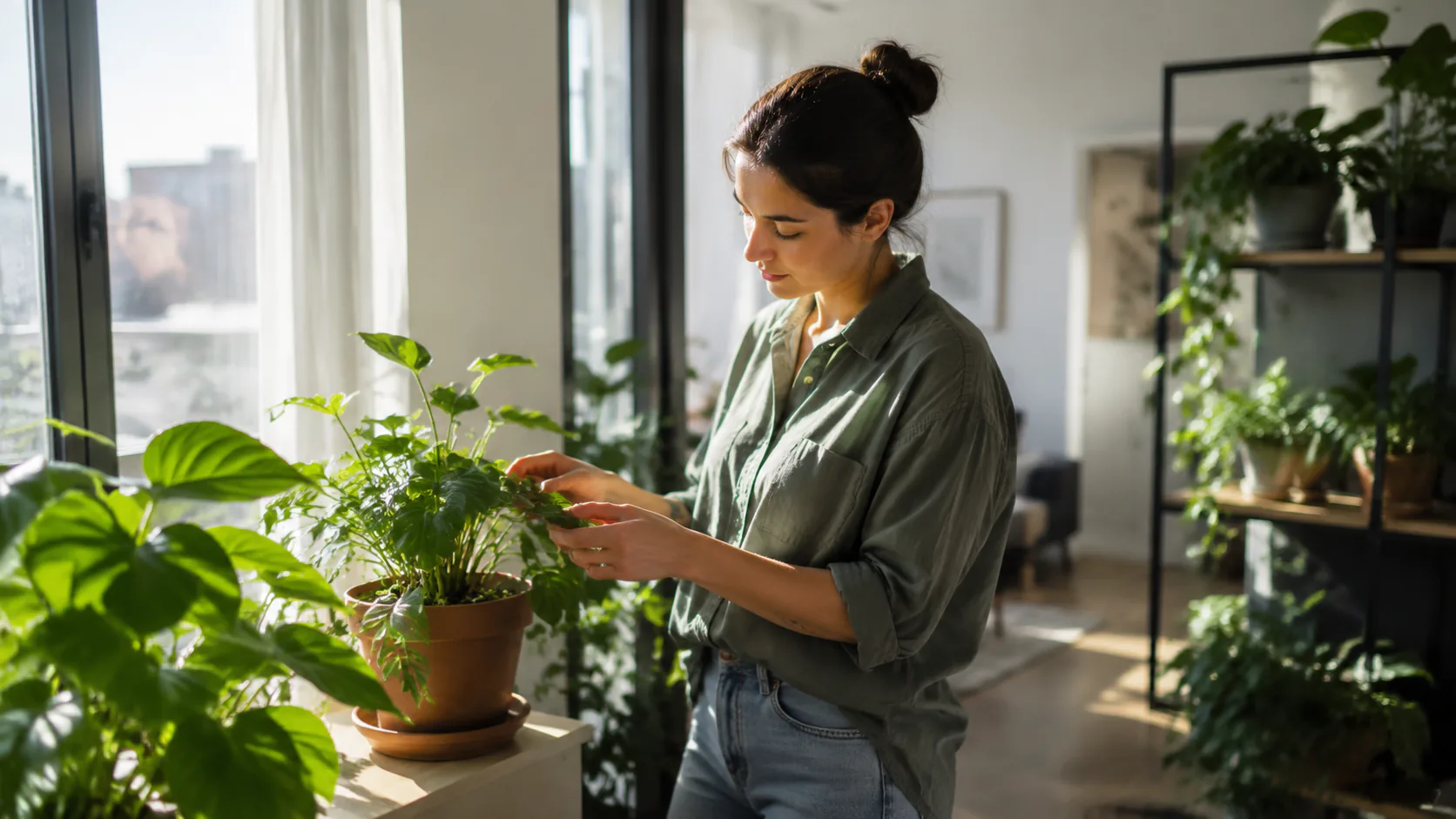
Bright indirect light means a bright location without harsh sun burning the leaves. Many popular tropical houseplants prefer this zone. Direct morning sun can be gentle, while direct afternoon sun through glass can scorch sensitive foliage.
A dated note should concentrate on window direction, distance from glass, obstructions, seasonal sun angle, shadow strength, and hours of exposure. Date the note and take a photograph from a consistent angle so that changes related to evaluate usable light at the plant’s exact position instead of describing the entire room as bright can be distinguished from normal day-to-day variation.
Low Light Does Not Mean No Light
Low-light tolerant plants survive lower light better than others, but they still need enough light to photosynthesize. Growth will be slower, watering needs will drop, and variegated plants may lose contrast. Do not expect a dark hallway to perform like a greenhouse.
A common way to lose progress is moving a shade-grown plant directly into hard sun can scorch it even when the species is considered light-loving. When that pattern appears, return to window direction, distance from glass, obstructions, seasonal sun angle, shadow strength, and hours of exposure, identify the smallest relevant cause, and change that variable alone.
Using Grow Lights
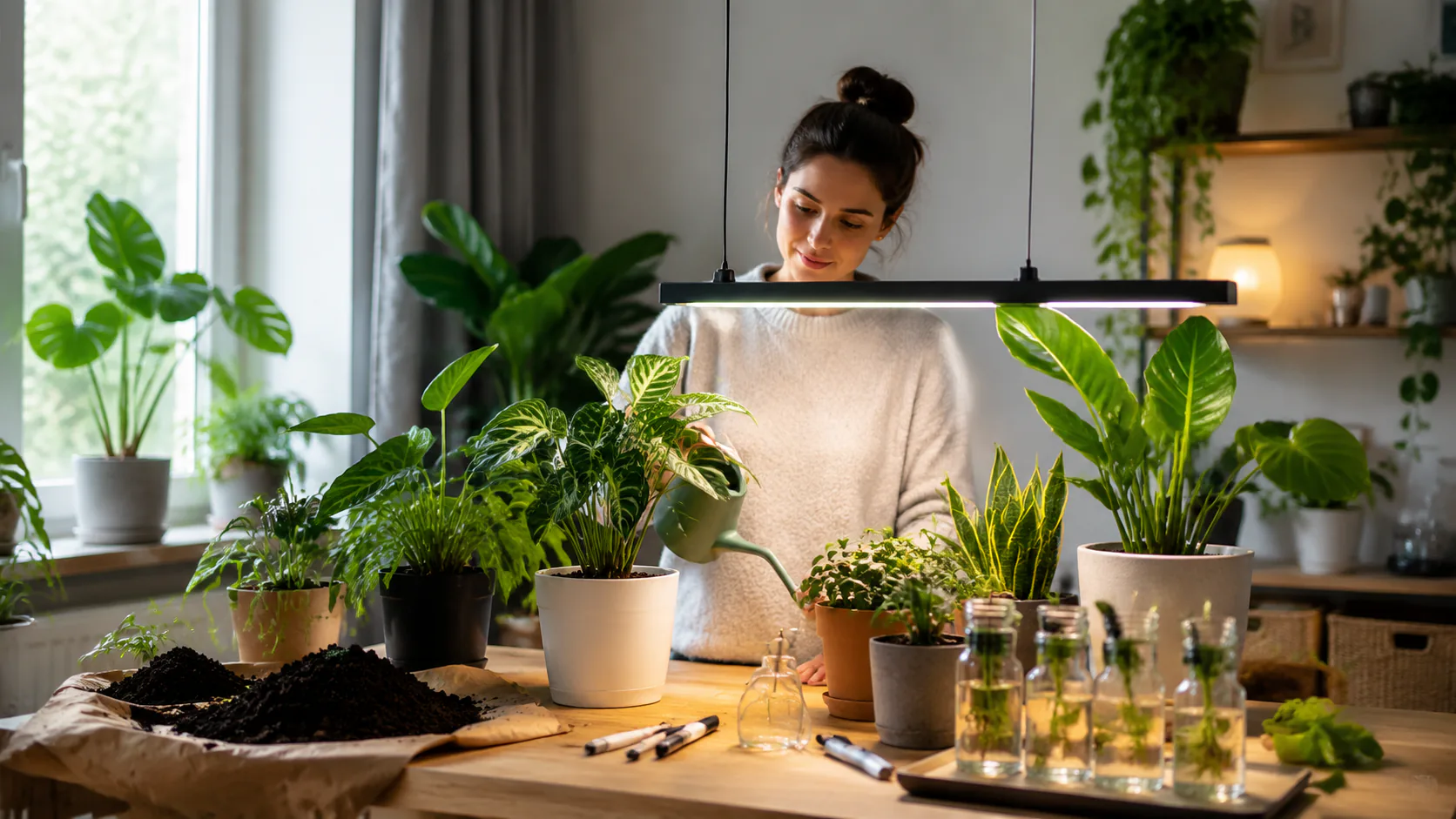
Grow lights are useful for apartments, winter, and plant shelves away from windows. Place them close enough to matter, run them consistently, and watch plant response. Stretching means more light is needed; bleaching may mean the light is too intense or too close.
For a routine that survives a busy week, observe the location at several times of day, place the highest-light plants closest to the source, and reassess seasonally. Measure progress through the cues that belong to this article—window direction, distance from glass, obstructions, seasonal sun angle, shadow strength, and hours of exposure—and allow enough time for those signs to change before revising the plan.
Signs to Watch
What does bright indirect light look like? It is strong ambient light near a window without prolonged harsh sun striking the leaves. Use that answer alongside the current evidence—window direction, distance from glass, obstructions, seasonal sun angle, shadow strength, and hours of exposure—instead of treating it as a rule that overrides the plant's condition.
For Light Guide for Houseplants, the practical takeaway is to evaluate usable light at the plant’s exact position instead of describing the entire room as bright. Begin with a stable placement, gradual acclimation, regular rotation, clean leaves, and a grow light when natural light cannot meet demand, follow through when you observe the location at several times of day, place the highest-light plants closest to the source, and reassess seasonally, and let the next visible response determine whether another change is necessary.
Sources: - Better Homes & Gardens, Best Low-Light Indoor Plants - https://www.bhg.com/gardening/houseplants/projects/indoor-plants-for-low-light/ - Better Homes & Gardens, Ficus Care Tips - https://www.bhg.com/ficus-care-tips-11924126 - Hicks Nurseries, Top Houseplant Trends for the New Year - https://hicksnurseries.com/houseplants/top-houseplant-trends-for-the-new-year/