Indoor Watering Routine That Prevents Root Rot is a practical guide for indoor growers who want plants to survive real homes, not perfect greenhouse conditions. The focus is building a watering routine that prevents root rot: what to look for, how to set up care, and how to avoid the mistakes that usually cause slow decline.
Stop Watering Everyone on the Same Day
A good watering routine is a checking routine, not a fixed schedule. Different plants dry at different speeds because pot size, soil, light, temperature, humidity, and growth rate all change water use. The same plant may need different timing in July and January.
Before making a change, note depth of dryness, pot weight, leaf firmness, drainage speed, recent light, and room temperature. Read those clues together: they show whether the current home supports the goal to use evidence from the soil and pot instead of turning the calendar into an automatic watering command, rather than merely describing one damaged leaf or a label on the pot.
Check Before You Pour
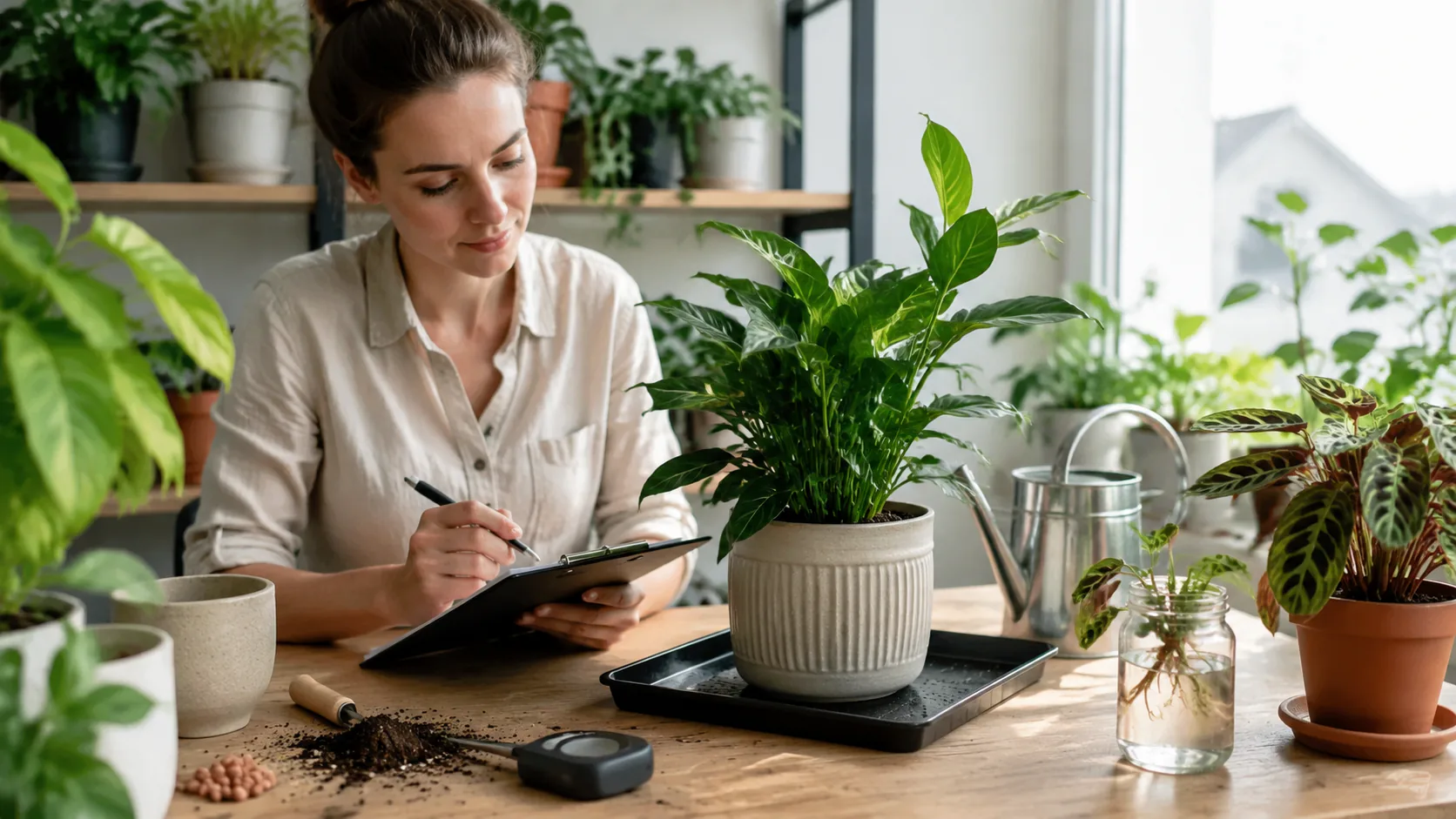
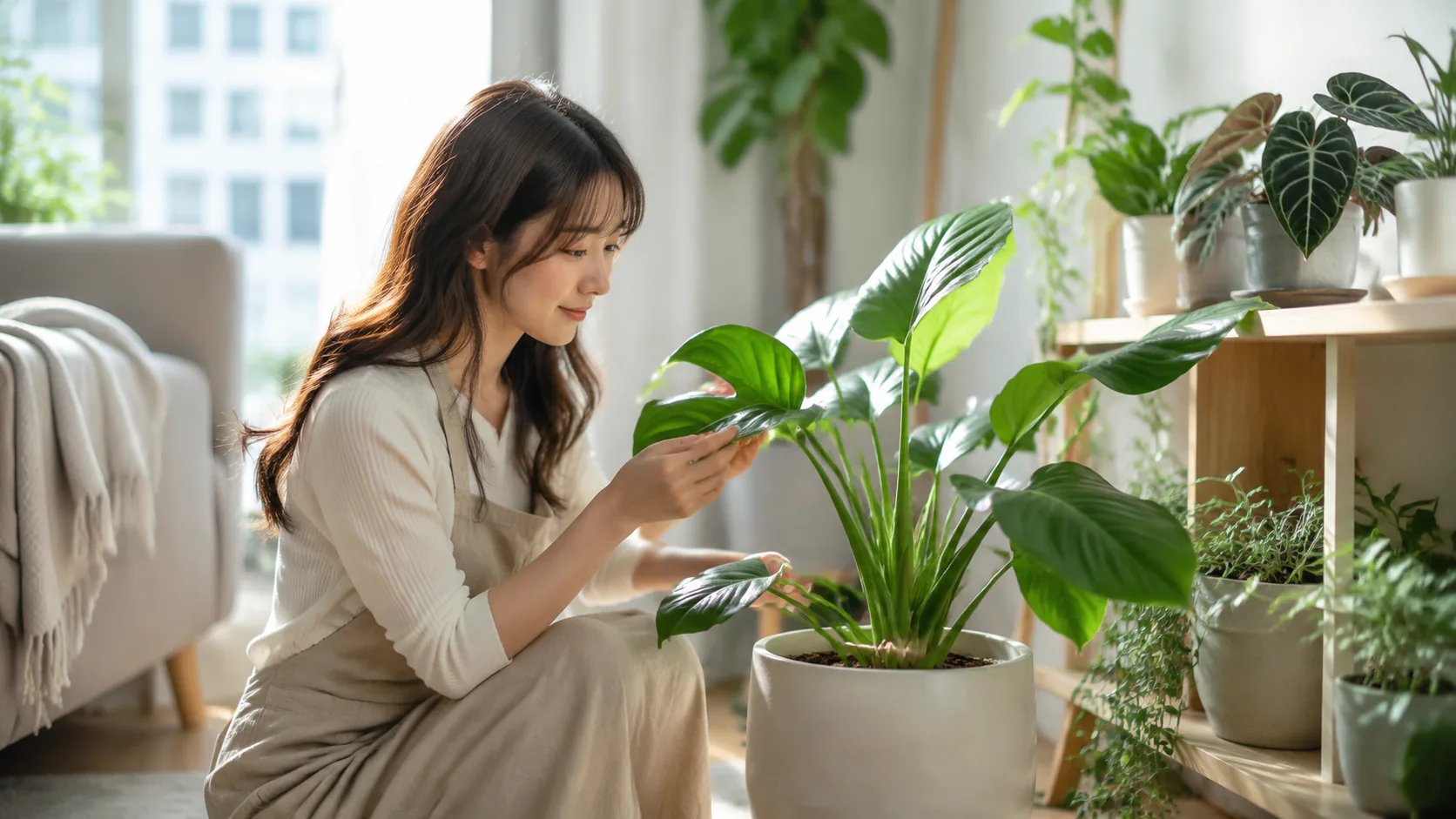
Before watering, check the top layer of mix, pot weight, leaf firmness, and drainage. A wooden skewer or moisture meter can help, but observation matters more than the tool. If the pot still feels heavy and cool, wait.
For the next comparison, write down depth of dryness, pot weight, leaf firmness, drainage speed, recent light, and room temperature. Date the note and take a photograph from a consistent angle so that changes related to use evidence from the soil and pot instead of turning the calendar into an automatic watering command can be distinguished from normal day-to-day variation.
Water Thoroughly When Needed
When a plant truly needs water, water until the root ball is evenly moist and excess drains out. Tiny sips can leave dry pockets. After watering, empty saucers and cachepots because roots need oxygen as much as moisture.
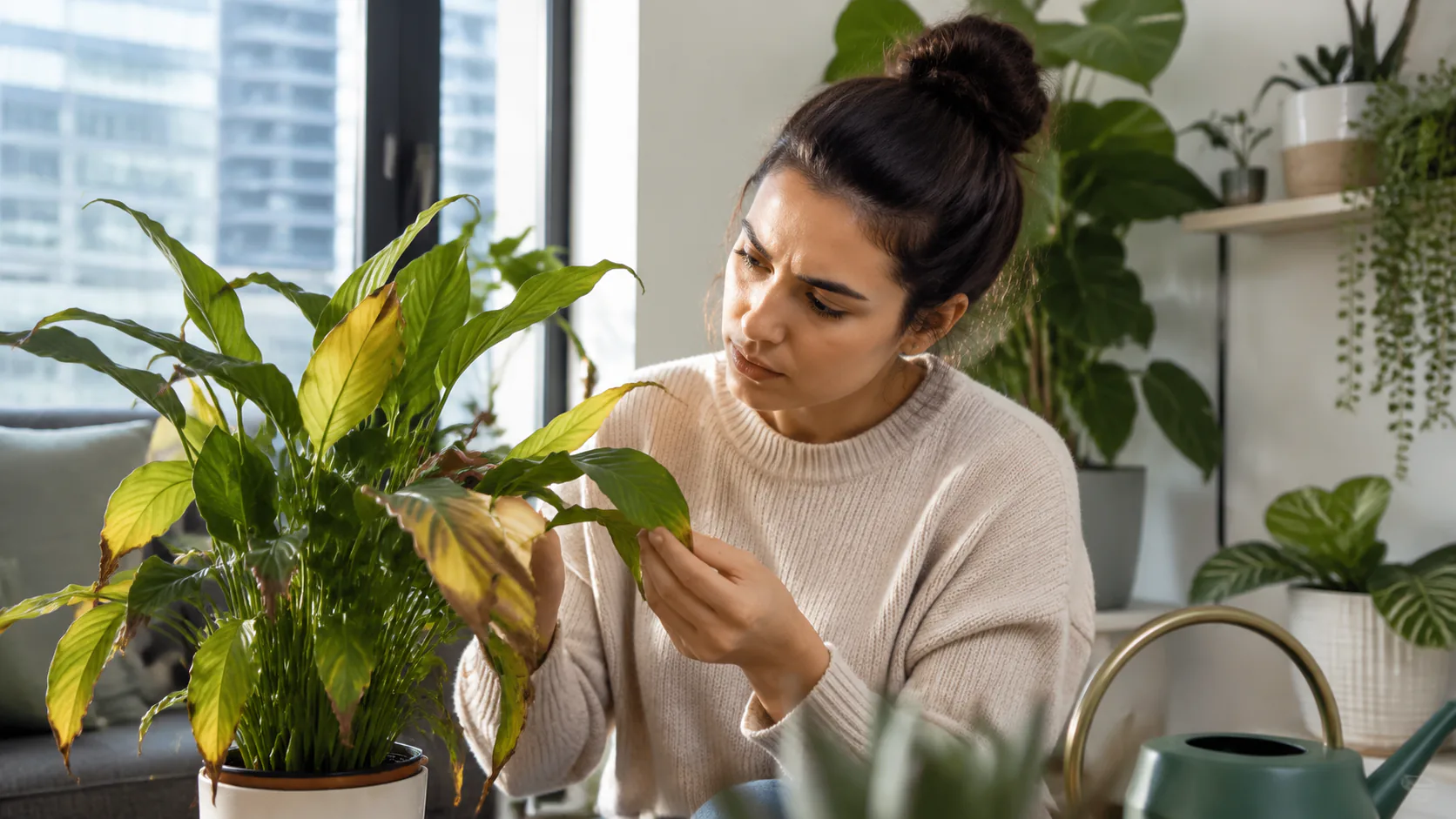
The most misleading shortcut is adding water because one leaf is yellow can worsen root stress when the mix is already wet. When that pattern appears, return to depth of dryness, pot weight, leaf firmness, drainage speed, recent light, and room temperature, identify the smallest relevant cause, and change that variable alone.
Use Drainage as Insurance
Root rot risk rises when dense soil, oversized pots, low light, and frequent watering combine. Fixing one factor helps; fixing the system helps more. Notes in a phone can reveal which plants dry quickly and which repeatedly stay wet.
Put the guidance into practice by choosing to check plants in a regular order, record “checked” separately from “watered,” and group pots with similar needs. Measure progress through the cues that belong to this article—depth of dryness, pot weight, leaf firmness, drainage speed, recent light, and room temperature—and allow enough time for those signs to change before revising the plan.
Record Patterns
Is a weekly watering day a bad idea? A weekly check is useful; watering every plant weekly regardless of moisture is the problem. Use that answer alongside the current evidence—depth of dryness, pot weight, leaf firmness, drainage speed, recent light, and room temperature—instead of treating it as a rule that overrides the plant's condition.
For Indoor Watering Routine That Prevents Root Rot, the practical takeaway is to use evidence from the soil and pot instead of turning the calendar into an automatic watering command. Begin with a drainage hole, a soil-check method, access to the sink or tray, and a simple log of checks rather than forced waterings, follow through when you check plants in a regular order, record “checked” separately from “watered,” and group pots with similar needs, and let the next visible response determine whether another change is necessary.
Sources: - Better Homes & Gardens, Ficus Care Tips - https://www.bhg.com/ficus-care-tips-11924126 - RHS, How to Grow Bromeliads - https://www.rhs.org.uk/plants/bromeliads/growing-guide - Plant Addicts, Bromeliad Care - https://plantaddicts.com/bromeliad-care/