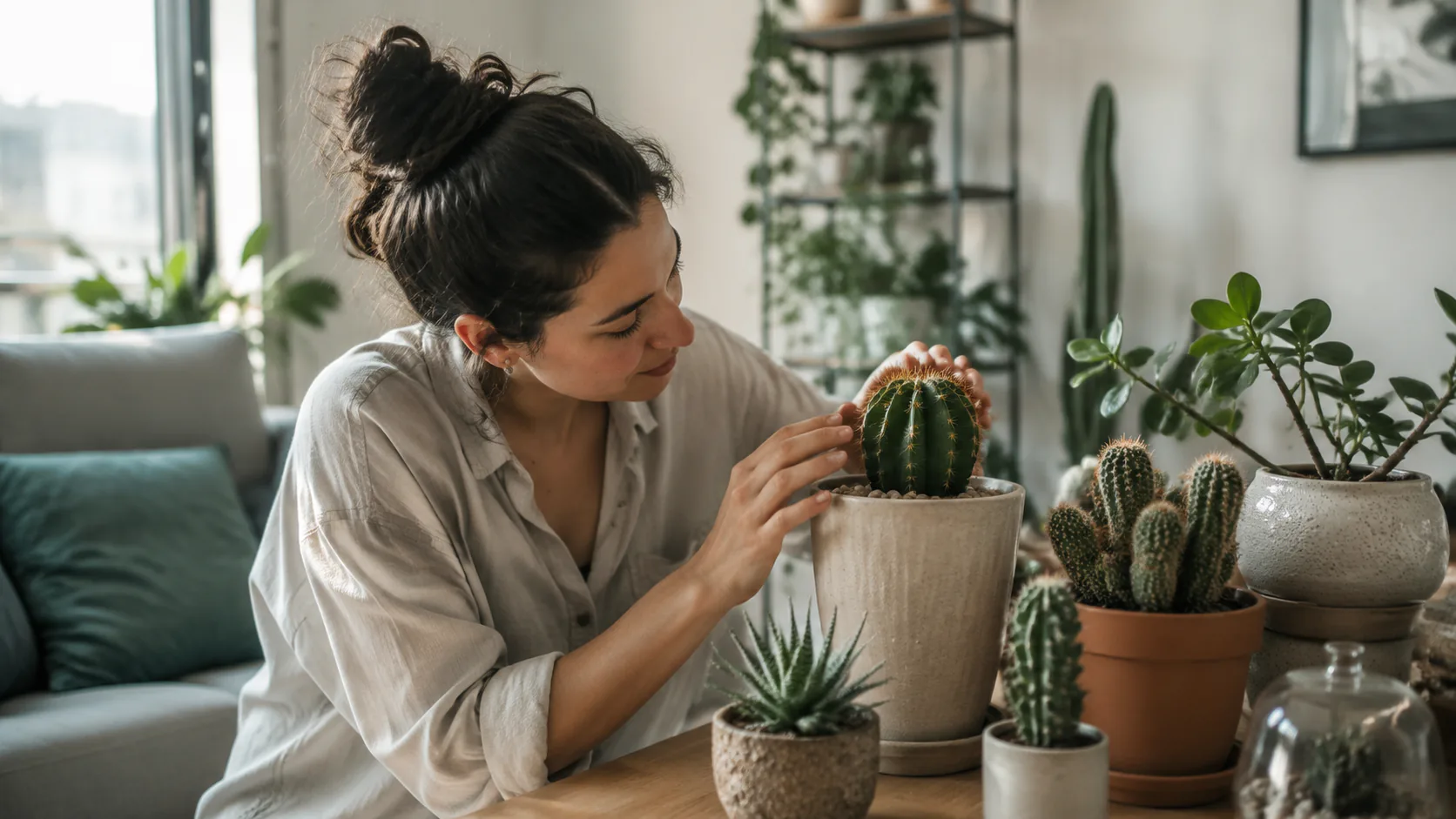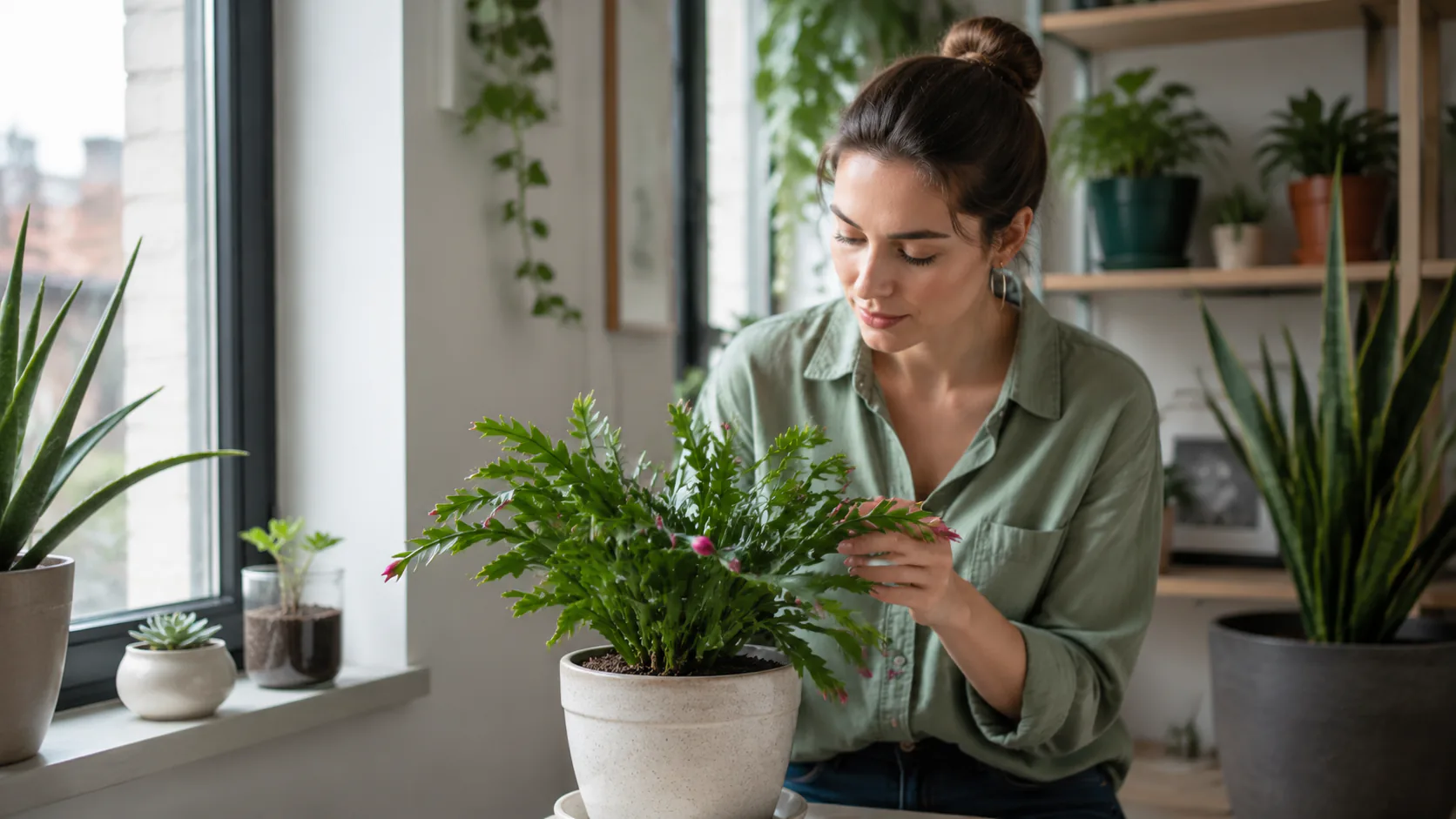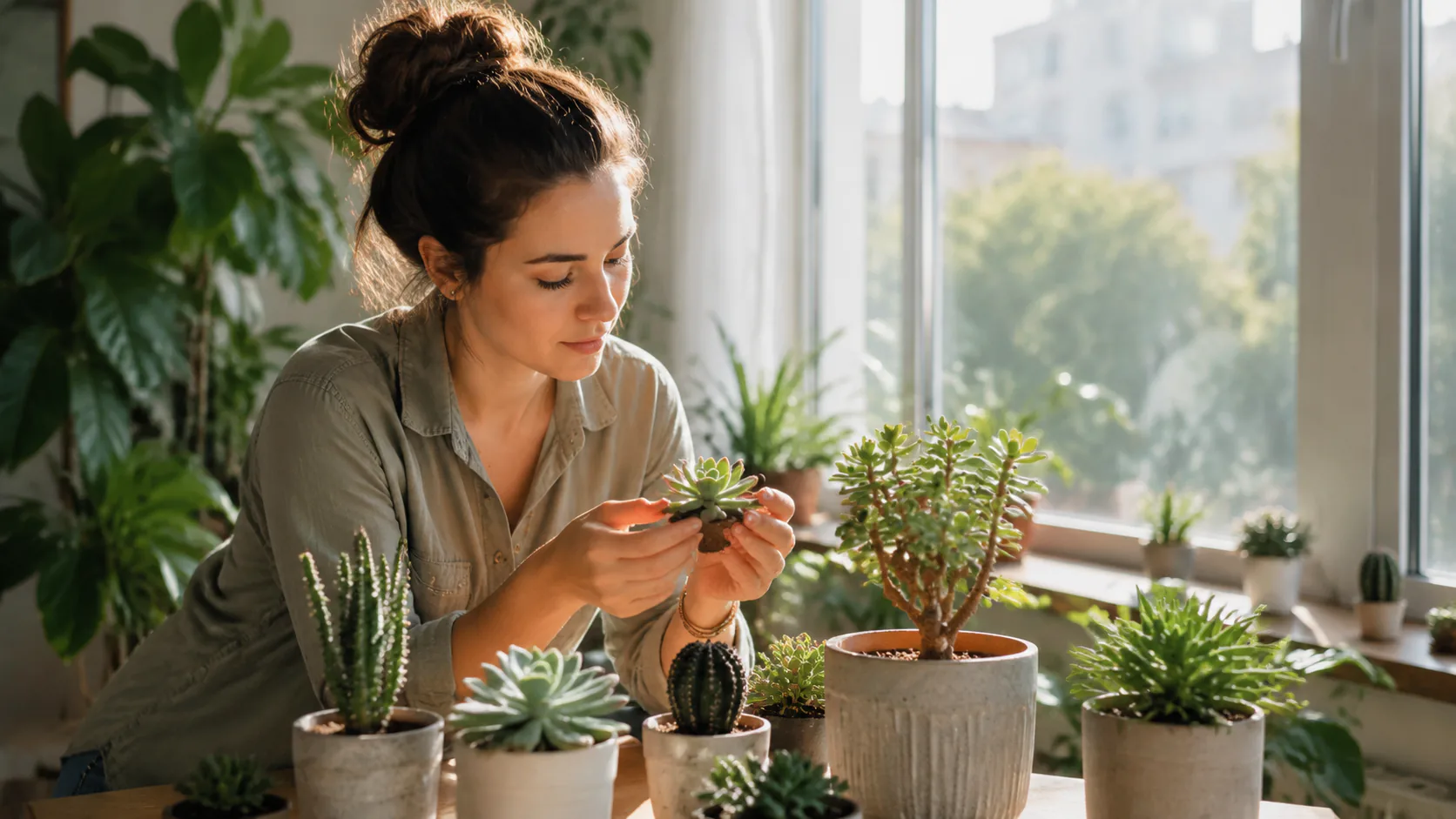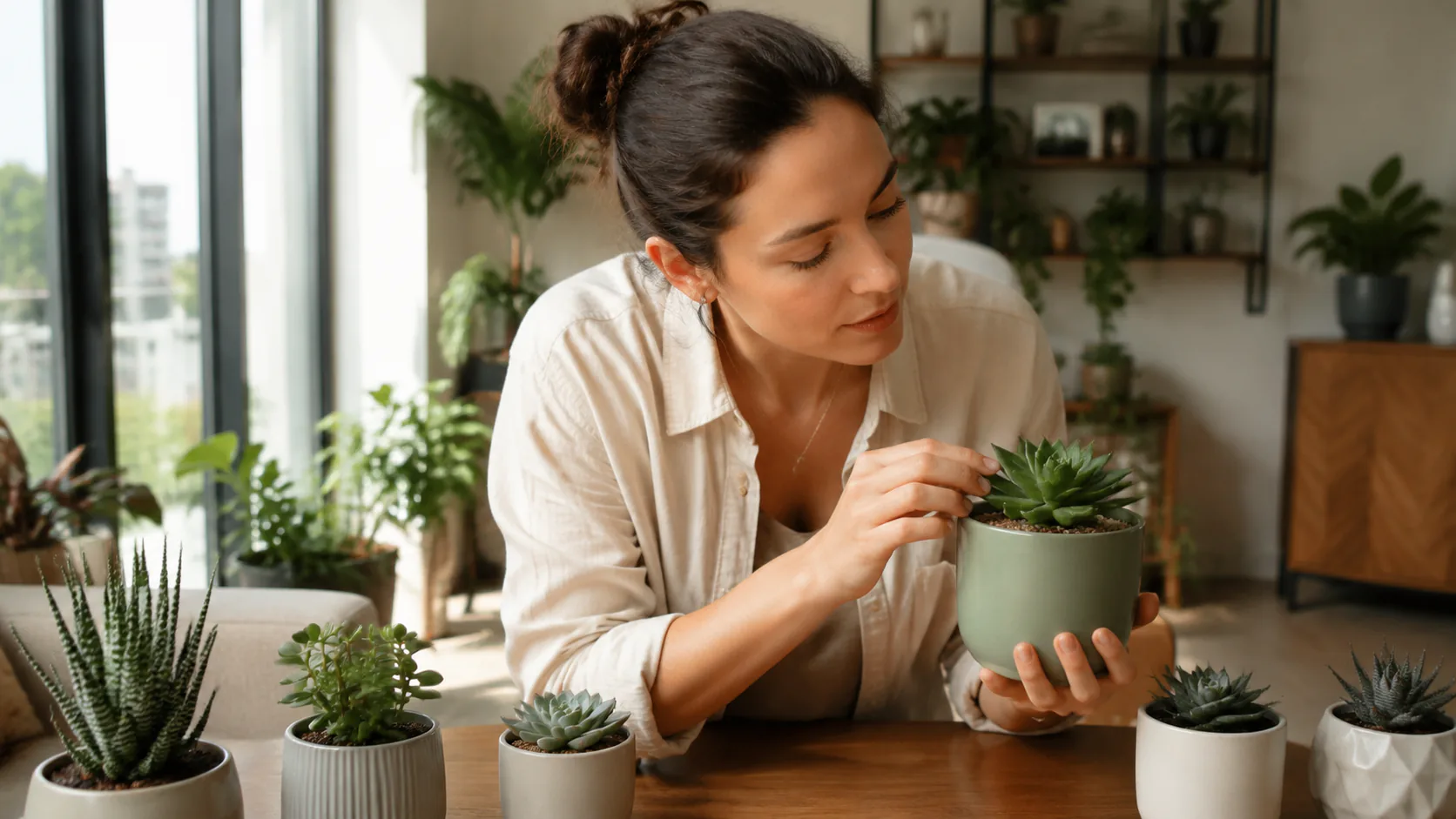
Pet-Safe Succulents for Indoor Homes is a practical guide for indoor growers who want plants to survive real homes, not perfect greenhouse conditions. The focus is choosing succulents around cats and dogs: what to look for, how to set up care, and how to avoid the mistakes that usually cause slow decline.
Start With Toxicity, Then Care Needs
A pet-safe succulent plan starts with two questions: is the plant listed as non-toxic to cats and dogs, and can it survive the light available in the home? A safe plant that slowly declines in a dark corner still creates stress and clutter.
Make an honest inventory of botanical label, trusted toxicity reference, sharp spines, sap, pot weight, and the pet’s ability to reach the display. Read those clues together: they show whether the current home supports the goal to select succulents by verified species identity because similar-looking plants can have different safety profiles, rather than merely describing one damaged leaf or a label on the pot.
Good Safer Choices
Haworthia and many echeveria types are popular safer choices, while some sedums may also be reasonable depending on the exact species. Always check the plant name, not just the store label succulent. Mixed arrangements can hide unsafe plants in the same pot.
Track the conditions that explain progress or decline: botanical label, trusted toxicity reference, sharp spines, sap, pot weight, and the pet’s ability to reach the display. Date the note and take a photograph from a consistent angle so that changes related to select succulents by verified species identity because similar-looking plants can have different safety profiles can be distinguished from normal day-to-day variation.
Succulents to Avoid Around Pets
Aloe, euphorbia, jade plant, and kalanchoe are common succulents that should be treated cautiously around pets. Even plants considered safer can cause stomach upset if chewed, so non-toxic does not mean edible.
Intervene before this pattern becomes established: physical hazards such as spines and heavy falling pots matter even when a plant is listed as non-toxic. When that pattern appears, return to botanical label, trusted toxicity reference, sharp spines, sap, pot weight, and the pet’s ability to reach the display, identify the smallest relevant cause, and change that variable alone.
Placement Still Matters
Use shelves, hanging planters, or closed plant cabinets if a pet is curious. Avoid gravel top dressings that look like toys. If a pet chews plants often, choose fewer plants and focus on placement before expanding the collection.
Keep the follow-through manageable: use heavy pots or secure shelves, retain plant labels, and inspect dropped leaves before a curious pet finds them. Measure progress through the cues that belong to this article—botanical label, trusted toxicity reference, sharp spines, sap, pot weight, and the pet’s ability to reach the display—and allow enough time for those signs to change before revising the plan.
Buying Checklist
Are all succulents safe for pets? No. Safety varies by species, so confirm the exact botanical identity rather than relying on the word succulent. Use that answer alongside the current evidence—botanical label, trusted toxicity reference, sharp spines, sap, pot weight, and the pet’s ability to reach the display—instead of treating it as a rule that overrides the plant's condition.
For Pet-Safe Succulents for Indoor Homes, the practical takeaway is to select succulents by verified species identity because similar-looking plants can have different safety profiles. Begin with a verified lower-risk species, strong light, fast drainage, a stable container, and a placement that discourages chewing, follow through when you use heavy pots or secure shelves, retain plant labels, and inspect dropped leaves before a curious pet finds them, and let the next visible response determine whether another change is necessary.
Sources: - The Spruce, Succulents Safe for Cats - https://www.thespruce.com/succulents-safe-for-cats-7479632 - Architectural Digest, Pet-Friendly Houseplants - https://www.architecturaldigest.com/story/pet-friendly-houseplants - Ted Lare, Non-Toxic Houseplants Safe for Kids and Pets - https://tedsgardens.com/15-non-toxic-houseplants-that-are-safe-for-kids-pets/